

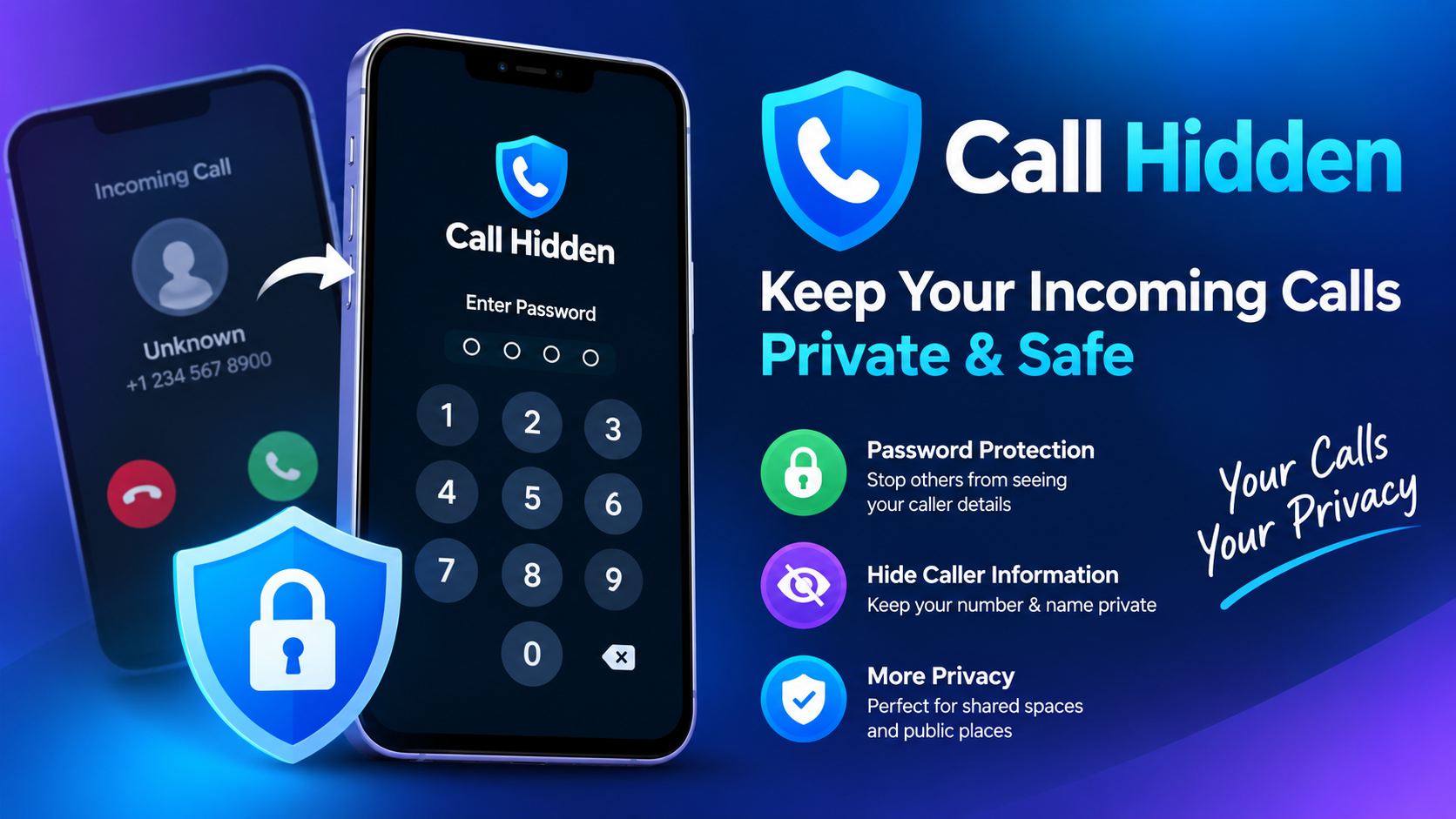
In today’s smartphone-focused world, incoming calls can reveal a surprising amount of personal information. When a phone receives a call, the screen may display the caller’s name, phone number, and other information. This can become uncomfortable when someone else is looking at your phone, using your device, or simply sitting nearby.
Call Hidden is designed for users who want an additional layer of privacy around incoming calls. The application focuses on protecting incoming-call information by placing a password entry screen in front of the caller details. According to the original app description, the application is intended to prevent other people from seeing the caller’s number, name, or related details while the protected screen is displayed.
This guide explains Call Hidden, how its privacy concept works, what users can expect from the application, possible benefits, important settings, and practical tips for using a call-protection application responsibly.
Whether your main concern is personal privacy, shared-device privacy, or preventing unwanted people from seeing incoming-call information, understanding how Call Hidden works can help you decide whether this type of application fits your needs.
What Is Call Hidden?
Call Hidden is an application focused on protecting information displayed during incoming calls. Its primary purpose is to add privacy to the incoming-call experience by displaying a password screen rather than immediately exposing caller information.
The original page describes the application as a tool that protects incoming calls and uses a password entry screen to prevent other people from seeing details associated with callers.
The basic idea is simple: when an incoming call arrives, sensitive caller information should not automatically be visible to anyone who happens to look at the phone.
This can be useful in situations where privacy is important. For example, you may leave your phone on a desk at work, use it around family members, or temporarily hand it to another person. A normal incoming-call screen can reveal information without requiring the person to unlock or access the phone.
With Call Hidden, the goal is to create an additional barrier between the incoming call and the information shown on the display.
Why Incoming Call Privacy Matters
Phone privacy is not limited to protecting photos, messages, or applications. Incoming calls can also contain personal information.
A caller’s name may reveal a personal relationship. A phone number may belong to a customer, colleague, family member, or private contact. Even the fact that a particular person is calling can sometimes be sensitive.
For this reason, incoming-call privacy can be valuable for many smartphone users.
Consider a few common situations:
- You are working in a public environment.
- Your phone is placed on a shared desk.
- Someone is sitting next to you.
- A family member temporarily uses your device.
- You receive private or professional calls.
- You do not want caller information displayed openly.
- You want an extra privacy layer on top of your normal phone security.
These situations demonstrate why a dedicated call privacy solution can be useful.
How Call Hidden Works
The concept behind Call Hidden is straightforward. Instead of allowing incoming-call details to be immediately visible, the application uses a protected screen that requires password entry.
The original description states that the app displays a password entry screen so that other people cannot see the caller’s number, name, or other details.
The basic experience can be understood in three stages.
1. An Incoming Call Arrives
When someone calls your phone, an incoming-call event occurs.
Normally, the phone may show information associated with the caller. Depending on your device and settings, this could include a name or number.
2. The Privacy Screen Appears
With Call Hidden, the intended experience is to place a password screen between the incoming call and the caller information.
This means someone looking at your phone should not immediately be able to read the protected caller details.
3. Authorized Access
The user can interact with the protected screen and enter the appropriate password.
The password acts as the privacy barrier. It is therefore important to choose a password carefully and avoid sharing it unnecessarily.
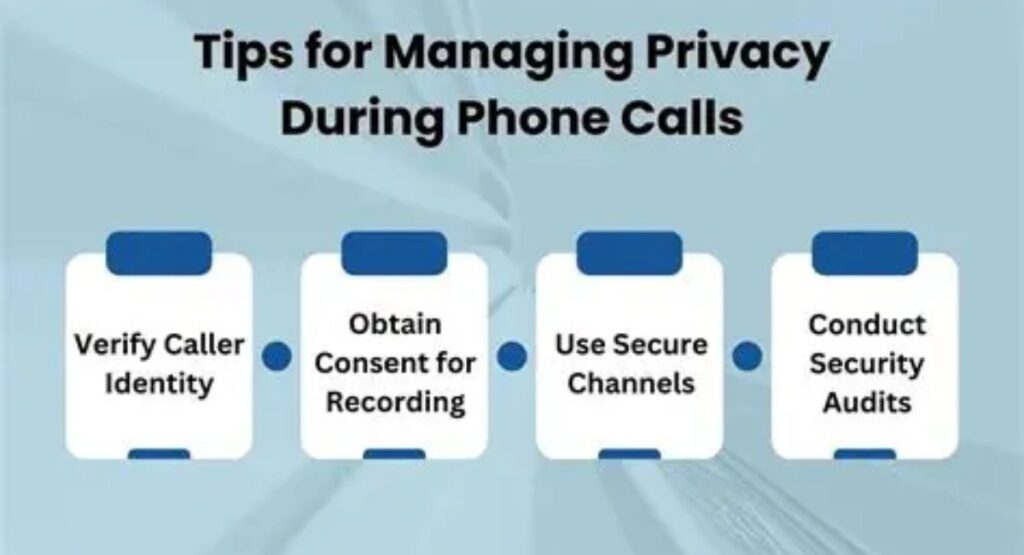
Main Purpose of Call Hidden
The main purpose of Call Hidden is caller privacy.
Rather than focusing on communication features, the application is centered around controlling what information is visible when an incoming call occurs.
This makes the concept particularly relevant for users who are concerned about visual privacy.
The application can be considered useful when the phone is frequently used in environments where other people may be able to see the display.
For example, imagine receiving a call while your phone is lying on a table. Without a privacy layer, another person may immediately see the caller’s information. A protected incoming-call screen can help reduce that exposure.
Call Hidden Features
The available description of Call Hidden highlights incoming-call protection and a password entry screen. Based on that core purpose, users should understand the following key aspects of the application.
Password-Based Protection
One of the central concepts of Call Hidden is password protection.
A password provides a simple way to restrict access to protected caller information. Instead of allowing anyone looking at the screen to see the incoming caller details, the application introduces an authentication step.
This is especially helpful when your phone is around other people.
Incoming Call Privacy
The application is designed specifically around incoming calls.
Incoming calls can expose information even when the phone itself remains locked or unattended. A privacy-focused call application can therefore provide an additional layer of protection.
Caller Information Protection
Caller information can be personal. Names and numbers can reveal relationships, business contacts, or other private information.
The original page specifically states that the application is intended to prevent others from seeing the caller’s number, name, or other details while the password screen is displayed.
Simple Privacy Concept
Another advantage of the Call Hidden concept is simplicity.
The purpose is easy to understand: protect incoming-call information with a password screen.
Users do not necessarily need complicated privacy systems to improve their everyday phone experience. Sometimes a simple additional barrier can make a meaningful difference.
Benefits of Using Call Hidden
There are several reasons someone may want to use Call Hidden.
Better Visual Privacy
One of the most obvious benefits is visual privacy.
Your phone screen can be visible to people around you even when you are not actively using the device. Protecting incoming calls can reduce the amount of information exposed on the display.
More Control Over Caller Information
Call Hidden gives users a privacy-focused approach to incoming calls.
Instead of treating caller information as something that should always be immediately visible, the application places emphasis on controlling access to that information.
Useful Around Other People
People often keep their phones on desks, counters, tables, or other shared spaces.
If you receive an incoming call while someone else is nearby, a privacy screen can help prevent casual viewing of caller details.
Additional Security Layer
A smartphone already has its own security features, but privacy does not always end with device unlocking.
An additional application-level privacy feature can provide another barrier for specific information.
Easy-to-Understand Function
The purpose of Call Hidden is relatively easy to understand. It focuses on incoming calls and privacy rather than attempting to solve many unrelated problems.
Who Can Benefit From Call Hidden?
Call Hidden may be useful for different types of smartphone users.
Privacy-Conscious Users
People who take phone privacy seriously may appreciate an additional layer of protection around incoming calls.
Professionals
Professionals may receive calls from clients, colleagues, suppliers, or business contacts. They may prefer not to display this information publicly.
People Using Shared Spaces
If you regularly work, study, or live around other people, your phone screen may be visible more often than you realize.
A call privacy solution can help reduce accidental exposure.
Users With Sensitive Contacts
Some contacts are naturally more private than others. Protecting caller information can help prevent unnecessary disclosure.
How to Set Up Call Hidden
The exact setup process can depend on the application’s version and the Android device being used. However, users should generally approach the setup carefully.
Step 1: Install the Application
Start by installing Call Hidden from the available official download source associated with the application.
The original page includes a download link directing users to Google Play.
Step 2: Open Call Hidden
After installation, launch the application and review the available settings.
Take a moment to understand what permissions or access the application requests before continuing.
Step 3: Configure Password Protection
If the application provides a password setup option, create a password that is difficult for other people to guess.
Avoid simple choices such as:
- 1234
- 0000
- Your birth year
- Your phone number
- A commonly used PIN
A stronger password provides better privacy.
Step 4: Review Incoming Call Settings
Check the available incoming-call protection options.
Make sure the application behaves according to your expectations before relying on it for privacy.
Step 5: Test the Feature
After configuration, perform a test using an appropriate call.
Check whether the privacy screen appears as expected and whether the information you want to protect remains hidden.
Testing is important because Android versions and device configurations can affect how applications interact with incoming calls.
Tips for Using Call Hidden Safely
A privacy application is only as effective as the way it is configured.
Use a Strong Password
Your password is an important part of the protection mechanism. Choose something that others cannot easily guess.
Keep Your Password Private
Do not share your password casually.
If someone knows the password, the privacy barrier becomes less effective.
Check Application Permissions
Before giving an application access to sensitive phone functions, review its requested permissions.
Only grant permissions that you understand and consider necessary for the application’s intended function.
Keep the Application Updated
If an updated version is available through the application’s official distribution channel, keeping the application updated can help maintain compatibility with newer Android versions.
Test After Major Phone Updates
Operating-system updates can sometimes change how applications interact with calls, notifications, overlays, or permissions.
If your phone receives a major system update, test Call Hidden afterward.
Call Hidden and Phone Privacy
It is important to understand that Call Hidden should be considered one part of a broader phone privacy strategy.
A privacy-focused call application does not replace the security features of your smartphone.
You should still use:
- A strong device lock
- A secure PIN or password
- Updated software
- Screen-lock protection
- Careful permission management
- Safe application installation practices
- Responsible sharing of personal information
Combining these practices provides a stronger overall privacy approach.
Call Hidden for Everyday Privacy
Privacy does not always involve major security threats.
Sometimes privacy simply means controlling what other people can see.
For example, you may be sitting in a classroom and receive a call. You may be working in an office and leave your phone beside your computer. You may be traveling and place your device on a table.
In all these situations, your phone screen may be visible.
Call Hidden focuses on this everyday privacy problem by making incoming-call information less immediately visible.
That makes the concept practical for people who want more control over their personal information.
What Makes Call Hidden Different?
The main distinction of Call Hidden is its focus.
Many smartphone applications provide broad functionality, but this application is centered on incoming-call privacy.
The original page specifically describes password-based protection for incoming calls and emphasizes hiding caller information such as the number and name.
For users who have a specific need rather than a broad collection of features, a focused application can be easier to understand and use.
Common Questions About Call Hidden
Is Call Hidden a privacy application?
Yes. Call Hidden is designed around protecting information displayed during incoming calls.
What does Call Hidden protect?
The original description says the application is intended to prevent other people from seeing caller information such as the number and name while its password screen is displayed.
Does Call Hidden use a password?
Password protection is a central part of the application’s described functionality.
Why would someone need Call Hidden?
Someone may want to use Call Hidden when they do not want other people nearby to see incoming caller information.
Can Call Hidden improve phone privacy?
It can provide an additional privacy layer specifically around incoming calls. However, users should continue using normal smartphone security practices as well.
Should I keep my Call Hidden password private?
Yes. Sharing a password with other people reduces the effectiveness of password-based protection.
Is Call Hidden suitable for shared environments?
The concept can be useful in shared environments because the application focuses on preventing casual viewing of incoming-call details.
Troubleshooting Call Hidden
Sometimes an application may not behave exactly as expected. If Call Hidden does not work correctly, start with basic checks.
Check Permissions
Review the application’s permissions and make sure required access has not been disabled.
Check Notification Settings
Some phone configurations may affect how incoming-call notifications and screens appear.
Review the device’s notification settings if the protected interface does not appear correctly.
Restart the Phone
A simple restart can resolve temporary application or system issues.
Reopen the Application
Close and reopen Call Hidden to see whether the issue continues.
Check Compatibility
If you recently updated Android, verify that the application still works correctly with your device’s current software version.
Review Battery Restrictions
Some Android devices limit background activity to save battery. If an application depends on background operation, battery restrictions can sometimes affect its behavior.
Review your device settings carefully if you experience unexpected problems.
Privacy Best Practices With Call Hidden
Using a privacy application is only one step toward better digital privacy.
A few additional habits can make your phone safer.
First, always use a secure screen lock. Second, avoid leaving your phone unlocked when you are away from it. Third, review applications regularly and remove software you no longer need.
You should also avoid giving your phone to unknown people while it is unlocked.
Finally, remember that privacy is about controlling information. The less unnecessary information your phone displays publicly, the better control you have over your personal data.
Is Call Hidden Easy to Use?
The main idea behind Call Hidden is simple: protect incoming-call information with a password screen.
That makes the application’s purpose relatively straightforward for users who specifically want caller privacy.
However, the actual experience can vary depending on your Android version, device manufacturer, permissions, and application version.
For this reason, users should test the application after installation rather than assuming that every phone will behave identically.
Why Caller Privacy Is Important
Caller information may seem harmless at first, but it can reveal more than expected.
A person’s name can expose a relationship. A number can identify a customer or personal contact. Repeated calls can reveal communication patterns.
Protecting this information is therefore part of maintaining personal privacy.
Call Hidden addresses this specific area by focusing on what appears when an incoming call reaches the phone.
Final Thoughts on Call Hidden
Call Hidden is designed for smartphone users who want greater privacy when receiving incoming calls. Its core concept is to protect caller information with a password screen, helping prevent other people from immediately seeing details such as the caller’s name or number.
The application can be particularly useful in shared environments where your phone screen may be visible to other people. Whether you are working, studying, traveling, or simply spending time around others, controlling what appears on your display can improve everyday privacy.
The best way to use Call Hidden is to combine it with good smartphone security habits. Use a strong device password, protect your application password, review permissions, keep your software updated, and test the application after significant system changes.
Ultimately, Call Hidden provides a focused approach to incoming-call privacy. If your main concern is preventing unwanted people from seeing caller information when your phone rings, its password-based privacy concept can be a useful addition to your overall mobile privacy strategy.
FAQs
What is Call Hidden?
Call Hidden is an application focused on protecting incoming calls and caller information through a password-protected screen.
What is the main purpose of Call Hidden?
Its main purpose is to provide additional privacy when an incoming call arrives by preventing caller details from being immediately visible.
Does Call Hidden hide caller names?
The original application description states that the password screen is intended to prevent others from seeing caller names and numbers.
Does Call Hidden require a password?
Password protection is part of the application’s described incoming-call privacy system.
Is Call Hidden useful for privacy?
Yes. It is designed specifically around privacy during incoming calls.
How can I get better results from Call Hidden?
Use a strong password, review permissions, keep the application updated, and test its behavior on your particular Android device.
What should I do if Call Hidden stops working?
Start by checking permissions, notifications, battery restrictions, application settings, and device compatibility. Restarting the phone can also help resolve temporary problems.
Conclusion
Smartphone privacy is becoming increasingly important, and incoming calls are one area that is sometimes overlooked. A phone can reveal caller names and numbers even when the owner is not actively using it.
Call Hidden focuses on this specific privacy concern by placing a password-based protection screen around incoming calls. Its purpose is to reduce the chance that people nearby can casually view private caller information.
For users who want a simple and focused approach to incoming-call privacy, Call Hidden can be considered as part of a broader mobile security strategy. Use it responsibly, protect your password, review permissions carefully, and maintain strong device security.
With the right privacy habits, you can have greater control over what information your smartphone displays and who can see it.